


Deborah D51 MkIV Tank and the Somme Battlefields Tour
This visit to Cambrai and the small museum that houses Deborah D51 Mk IV was one of the closest experiences I’ve ever had with ww1. It’s easy to see why knowing that the five men are laid to rest adjacent to the museum and that four took their last breath within Deborah herself. We shall remember them.
Burried side-by-side in Flesquières Hill Cemetery, are Gunner Joseph Cheverton, Gunner William Galway, Gunner Frederick Tipping, Lance-Corporal Charles Foot and Private Walter Robinson having been shot, and with respect the three survivor’s Commander 2nd Lieutenant Frank Heap, MC, Lance Corporal David Marsden and the eighth unknown. I hope you can embrace this video in a similar way as myself.
I’d like to thank Sue and Charles for their organising of the Somme trip and thanks again, Charles, for your guidance all the way through whether we’re sitting with an evening beer or in a moving bus or gathering within the grave yards off our and their fallen, thank you.,
JB Corrie & Co Ltd
JB Corrie & Co Ltd are proud to display this Soldier outside their Head office premises in Petersfield and remains standing all year long.
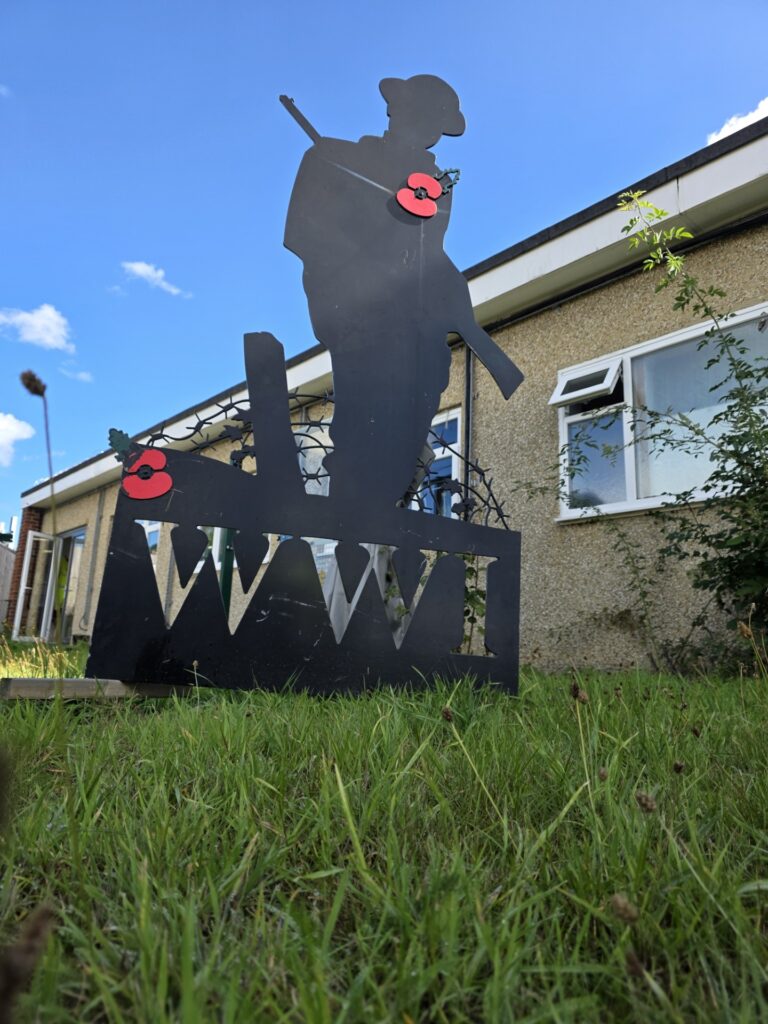
The huge toll of war
During the course of World War 1, 880,000 British servicemen were killed – a staggering six per cent of the country’s adult male population.
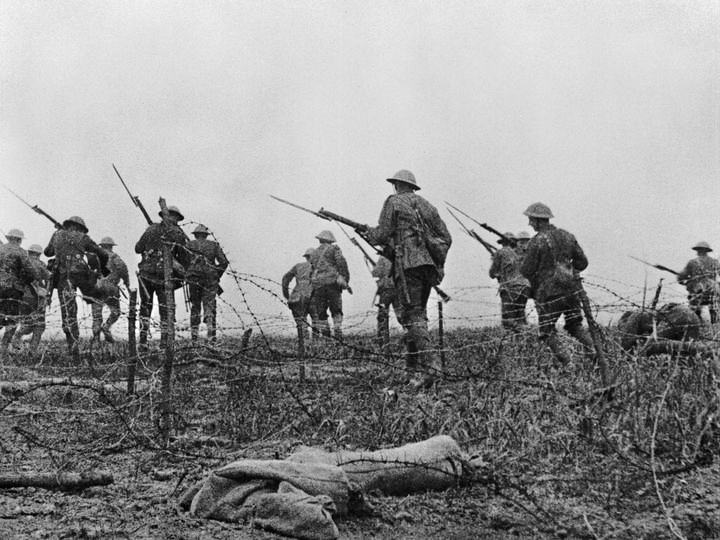
Combatting battlefield disease
Advances in medicine and the knowledge of how to combat illness meant that World War 1 was the first major conflict in which British deaths in battle outnumbered deaths caused by disease.
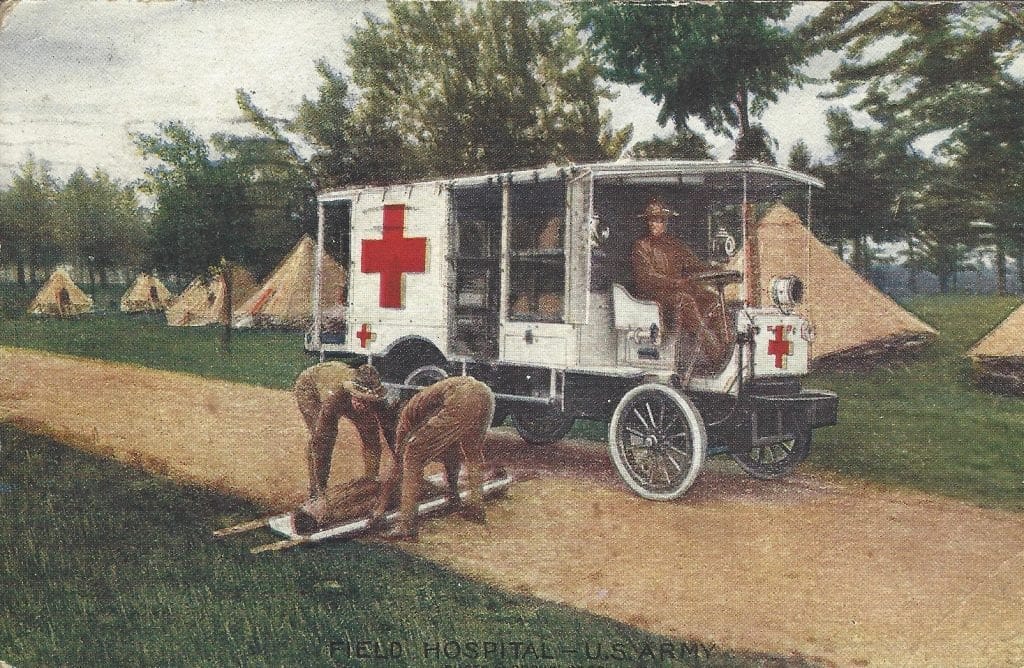
Death by any other name
Death was a constant threat to British soldiers in the trenches of World War 1. They came up with euphemisms to avoid referring to it directly.
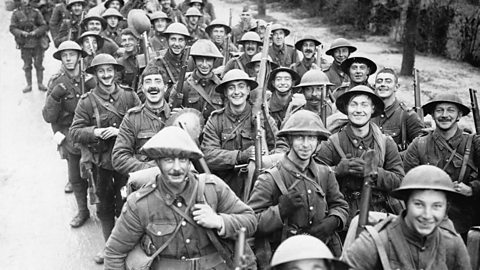
Popular expressions included copping a packet, becoming a landowner, going home, being buzzed or huffed, drawing your full issue, being topped off, or clicking it.
Why were they called Tommies?
There are several theories as to why British troops in World War I were called Tommies, short for Tommy Atkins.
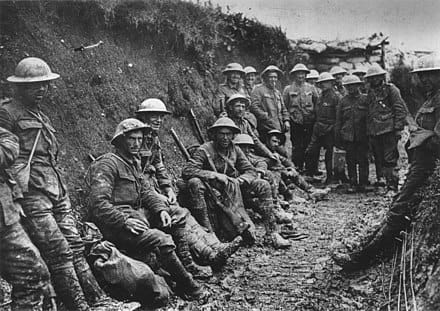
One story says that the Duke of Wellington coined the generic name having been inspired by the bravery of a soldier under his command at the Battle of Boxtel in 1794. Mortally wounded, Private Tommy Atkins told the great military leader “It’s all right, sir. It’s all in a day’s work,” before dying.
In the midst of victory, a mother’s tragedy
The war poet Wilfred Owen was killed in action at Sambre Canal on the Western Front in 1918, just a week before World War 1 ended. He was 25 years old. It was as the church bells were ringing out in celebration of Armistice Day that his mother received the telegram telling her of his death.
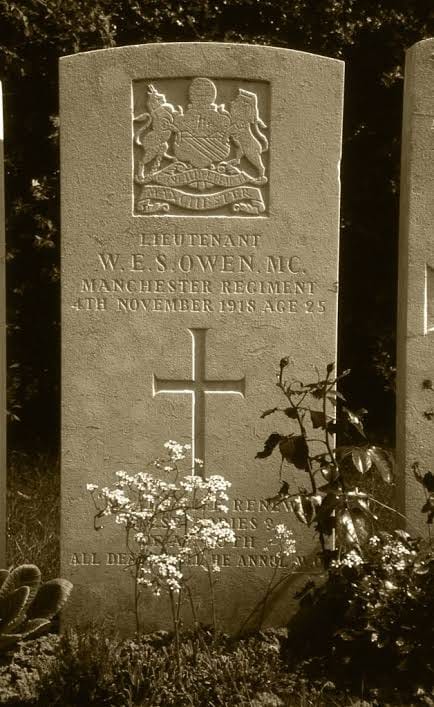
The first man to receive a Victoria Cross
Just inside our entrance we have a display honouring Victoria Cross holders buried locally. Some are from World War 1, others from earlier conflicts.
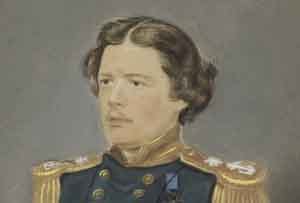
They include Henry Raby, who won his VC at the Battle of Sebastopol in 1855 and has the distinction of being the first man to be presented with the new award by Queen Victoria.
A continuing tribute to the fallen
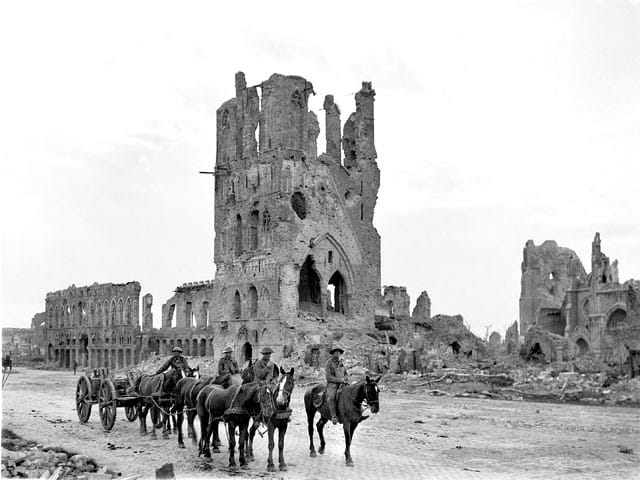
In October 1914, Allied and German forces began the first of what would be three battles to control the Belgian city of Ypres. Both sides suffered heavy losses. Today, the Last Post is still sounded every evening at the city’s famous Menin Gate.
The dancer shot for spying
The glamorous Dutch dancer Mata Hari is one of the many personalities featured at our museum. In 1917 she was executed by a French firing squad after being convicted of spying for Germany. World War 1 throws up so many interesting stories – we’ve got plenty of them waiting for you.
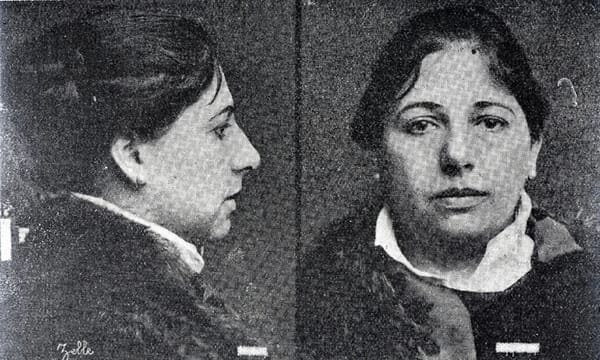
Humour in Hell
A Tommy’s life in World War 1 was often sheer hell, yet the often fatalistic humour of squaddies still survived. For this gem, we are indebted to Mr George Coppard, author of With a Machine Gun to Cambrai.
‘A Cockney soldier who was about to enter a dugout in a newly captured German trench, mills bomb in hand, shouted down the dug out steps, ‘Anybody there?’ Back came the answer ‘Nein.’ ‘Nine eh? Well bloody well share this amongst yer,’ and he hurled the bomb down the steps.’
They don’t write ’em like that anymore!
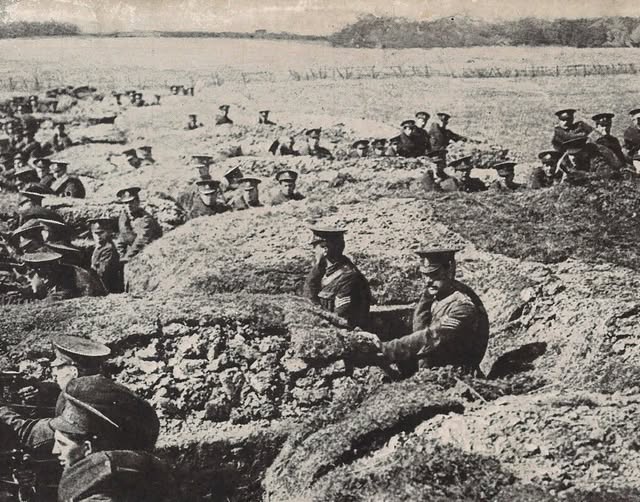
Zig-zag defences
Trenches were not straight in World War 1. It meant that if they were breached, enemy soldiers could not fire all the way along them. And the shockwaves from an exploding shell would be absorbed by the twists and turns.
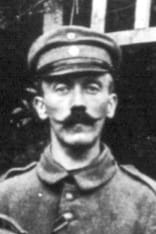
Hitler’s dice with death
In 1916, Corporal Adolf Hitler suffered a leg wound from a shell blast near Bapaume in France. Had the blast killed him, how different might the world have been?
David Bowie’s real-life hero
The first day of the Battle of the Somme was a hammer blow to the British Army. By the time night fell, more than 57,000 men had been wounded and almost 20,000 lay dead. The slaughter led to a new wave of enlistment to bolster the ranks. Among those who answered the call was Yorkshire boot maker Robert Haywood Jones, who soon found himself in France as a private in the 2nd Battalion King’s Own Yorkshire Light Infantry.
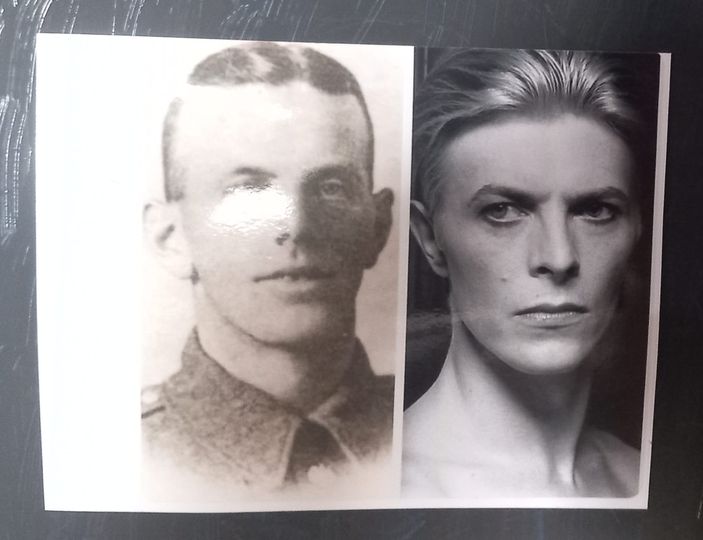
Ironically, he was killed on the final day of the battle, November 18. His body was never found and he is remembered among the more than 70,000 names on the Thiepval Memorial, the memorial to the missing of the Somme. Robert, who was 34, left a widow, Zillah, and two young children, Roma and her four-year-old younger brother Haywood, usually called John. Tragically the children were orphaned within months when Zillah died of diphtheria. Robert and Zillah never met the son John would grow up to father – David Robert Jones, better known as pop superstar David Bowie.
The Royal Navy’s undersea ‘pirates’
The reason why homecoming submarines fly the Jolly Roger to signal a ‘kill’ stems back to World War 1, as our video explains.
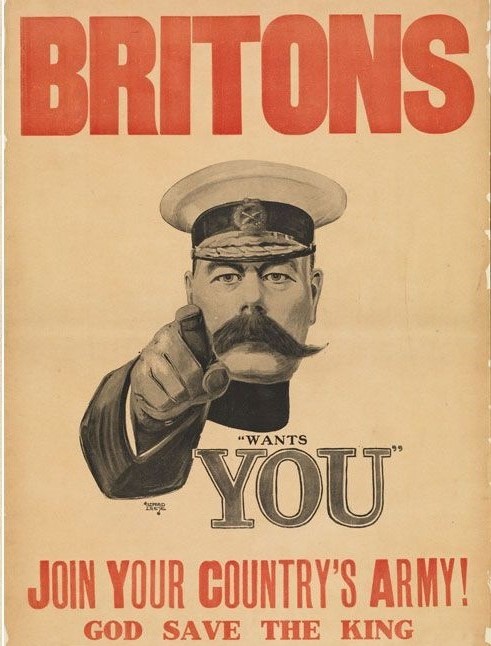
Your country needs you!
In August 1914, Lord Kitchener, the newly appointed War Minister appealed to British men to sign up. The poster showing his fixed stare and pointed finger is arguably the most famous of all call-to-arms images. It was certainly effective. Young men flocked to recruitment stations to join the fight for victory. Kitchener never lived to see that goal achieved. He drowned when HMS Hampshire was sunk in 1916.
How did they know?
A book of pictures from World War 1 predicted World War II six years before it started, as Charles Haskell, founder of the World War 1 Remembrance Centre, explains in this video.
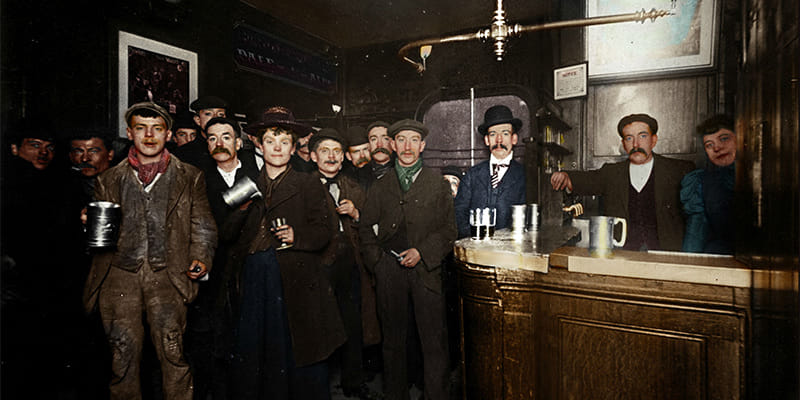
Time gentlemen please!
The Defence of the Realm Act was passed shortly after the start of World War 1. Among other things, it restricted pub opening hours, introducing for the first time a mandatory afternoon gap in serving alcohol. This restriction lasted until 1988.
The boy who went to war
This is Dragoljub Jeličić, a soldier in the Royal Serbian Army. When the picture was taken not long after the start of World War 1 in 1914, he was just 12 years old. Dragoljub survived the conflict and when Axis troops occupied Yugoslavia in World War II he fought with the Yugoslav partisan resistance movement.
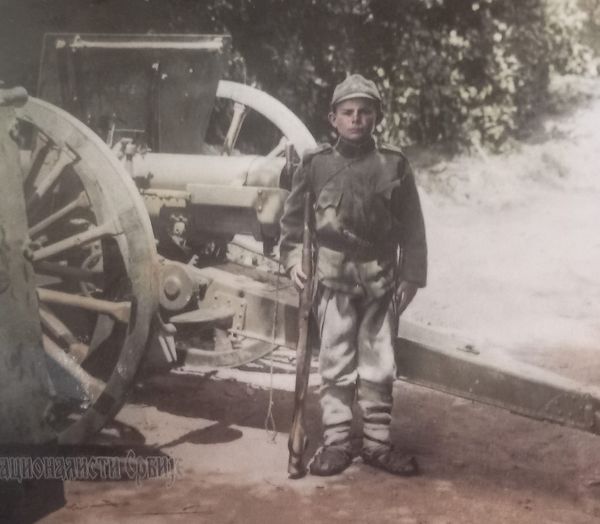
Dragoljub’s story is one of the many unusual tales displayed at the WW1 Remembrance Centre
The Triangle Girls of Portsmouth Dockyard
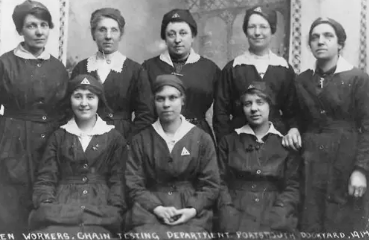
Before World War 1 only a small fraction of the huge workforce at Portsmouth Dockyard were female. But when hostilities began, their numbers swelled to more than 2,000. They were known as The Triangle Girls because of the triangular ‘On War Service’ badges they wore. They took on skilled tasks vacated by the men who went to war. The Triangle Girls helped construct the super-dreadnought battleships HMS Queen Elizabeth and HMS Royal Sovereign.
How the war stopped the Games

When World War 1 started, preparations continued for the 1916 Olympic Games in Berlin in the belief that the conflict would be long after in two years time. History proved otherwise and the event was eventually cancelled.
The Olympics were belatedly staged by Berlin in 1936 – ironically the next two Games, scheduled for Tokyo in 1940 and London in 1944, were cancelled because of World War II.
Misplaced predictions
‘A war to end all wars.’
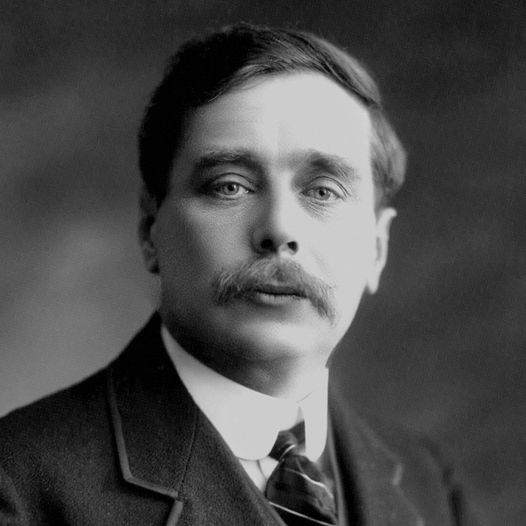
President Woodrow Wilson famously made the bold but misplaced pledge in 1917, when America entered World War 1. But he was not the first with wayward prophecy. Immediately after the start of the war in August 1914, the celebrated author H. G. Wells (pictured) published a number of articles in London newspapers that subsequently appeared as a book entitled The War That Will End War. Sadly, history proved he and Wilson to be tragically wrong.
Hemingway’s war
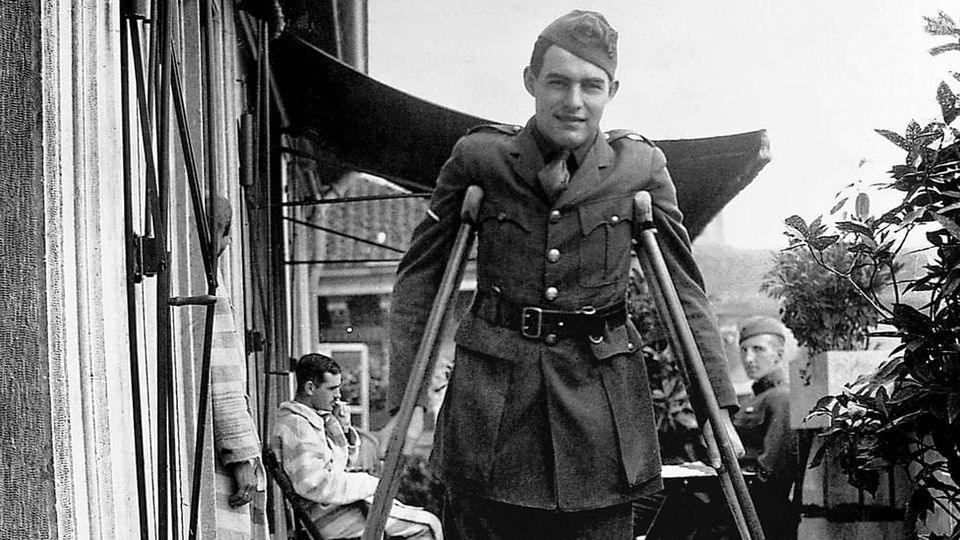
In July, 1918, a teenaged ambulance driver for the American Red Cross was struck by mortar shell fire while serving on the Italian front. He survived and went on to use his experiences in World War 1 to write one of the greatest war novels of all time. His name was Ernest Hemingway, author of A Farewell to Arms.
The fighting footballers
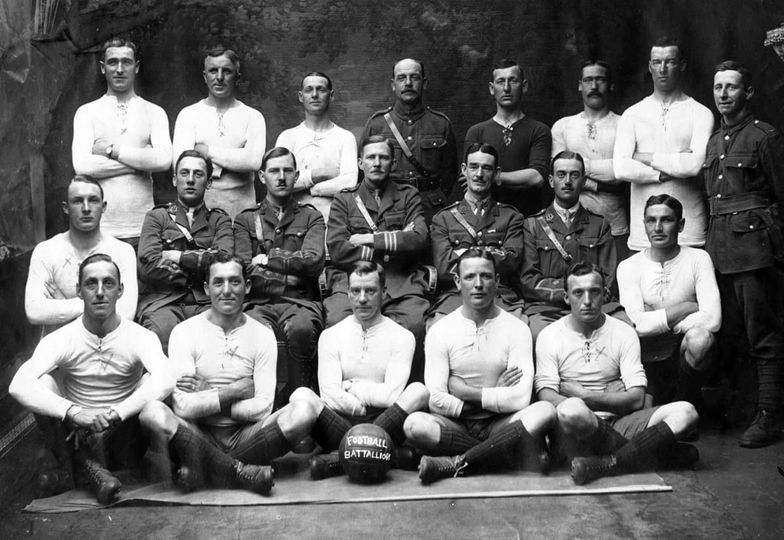
After World War 1 began, the celebrated author Arthur Conan Doyle, who had played in goal for a predecessor team of Portsmouth FC, appealed to professional footballers to sign up. Hundreds joined the Football Battalion, which was formed as part of the Middlesex Regiment and led by Bradford City’s Major Frank Buckley, who was later to become a celebrated manager of Wolverhampton Wanderers. After the war, he estimated that more than 500 of the battalion’s original 600 men had died.